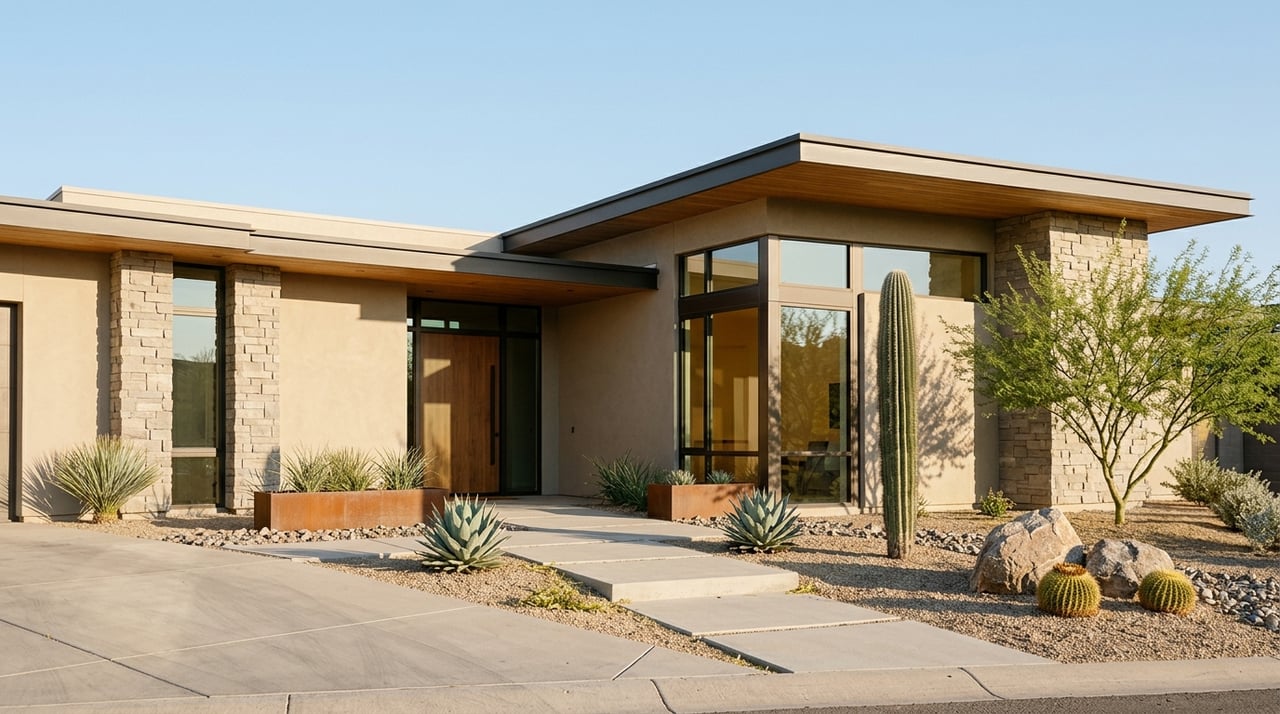
What Day-To-Day Life Feels Like In Scottsdale
June 11, 2026
June 11, 2026
If you are thinking about moving to Scottsdale, you are probably wondering what life there actually feels like once the vacation glow wears off. That is a smart question, because day-to-day life in Scottsdale is shaped as much by routine as it is by scenery. From early morning trail time to clustered dining and errand hubs, this city has a rhythm all its own. Let’s dive in.
Scottsdale is not a small, compact city with one central lifestyle. It stretches 31 miles from north to south across 184.5 square miles, with a population of 243,050. That scale shapes everyday life in a very real way.
Instead of one single "Scottsdale experience," you will find different pockets that support different routines. Some areas feel more walkable and active, while others feel quieter, more residential, or more tied to shopping, resorts, or employment centers. In practical terms, Scottsdale often feels like a collection of lifestyle zones rather than one uniform place.
The city also benefits from a strong overall quality-of-life reputation. In the 2025 Scottsdale Community Survey, more than nine in 10 participants said they felt safe in their neighborhood and in downtown or commercial areas during the day. Residents also gave especially positive feedback on parks, recreation, and the natural environment.
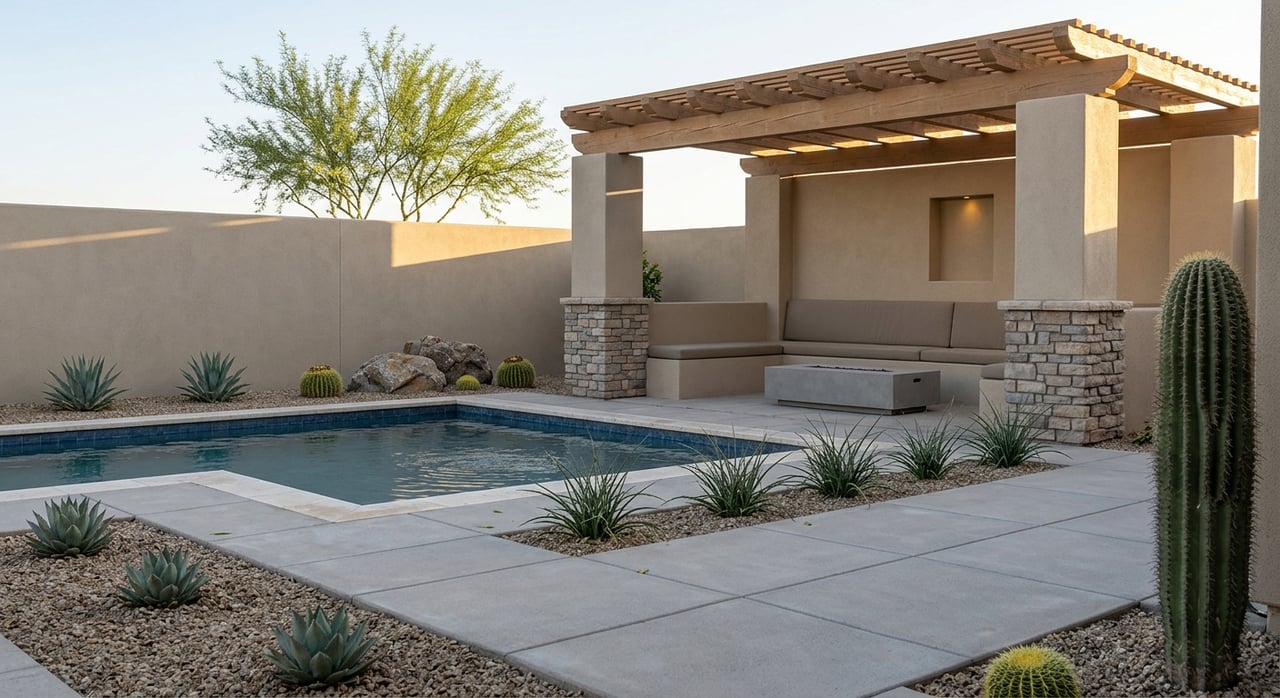
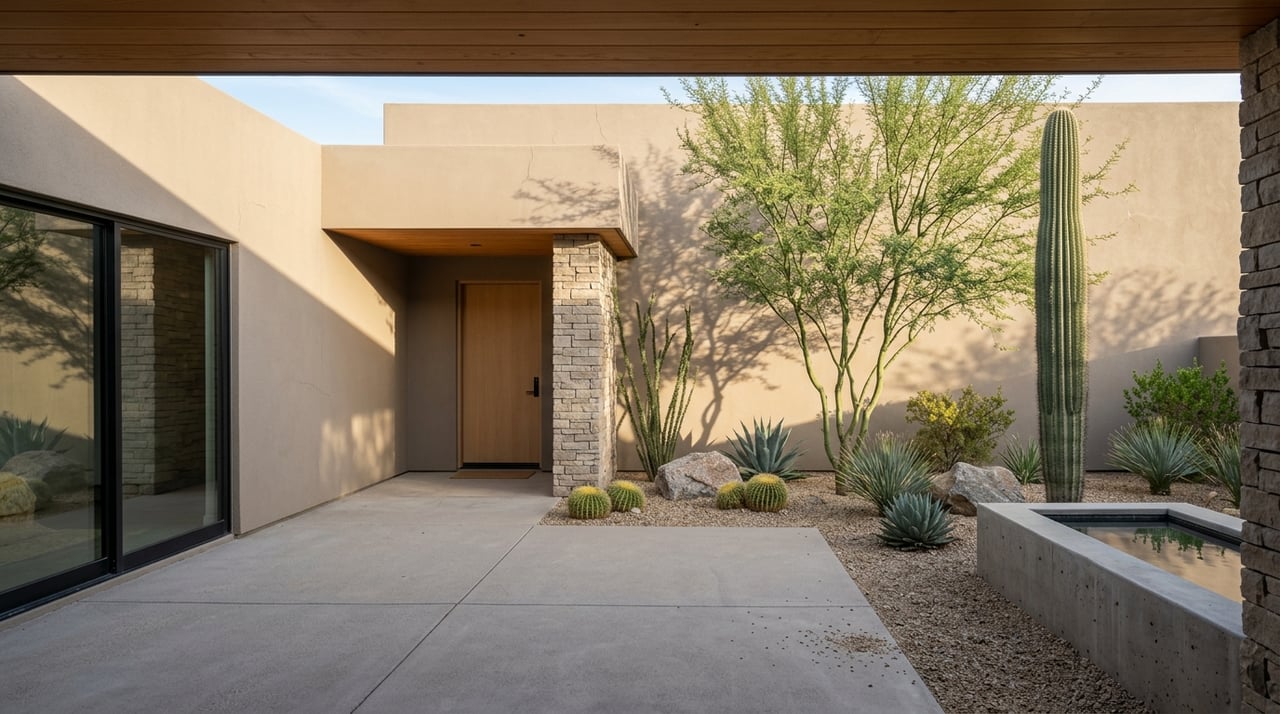
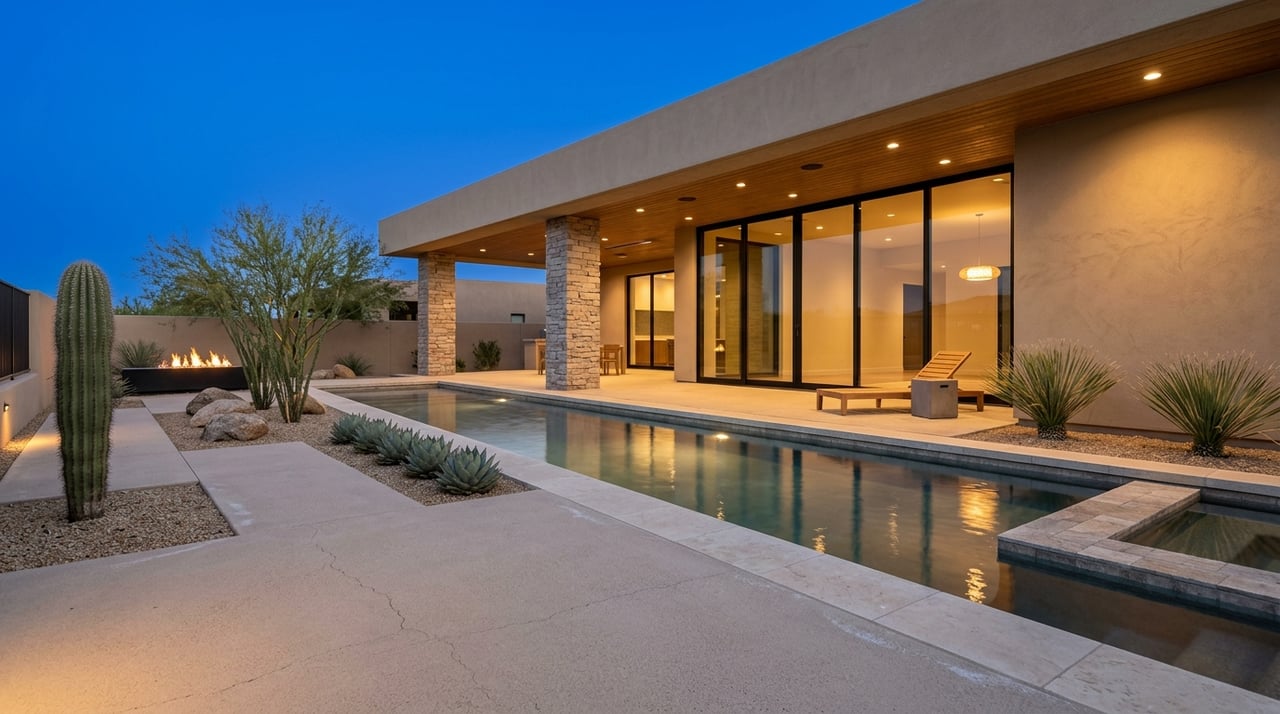
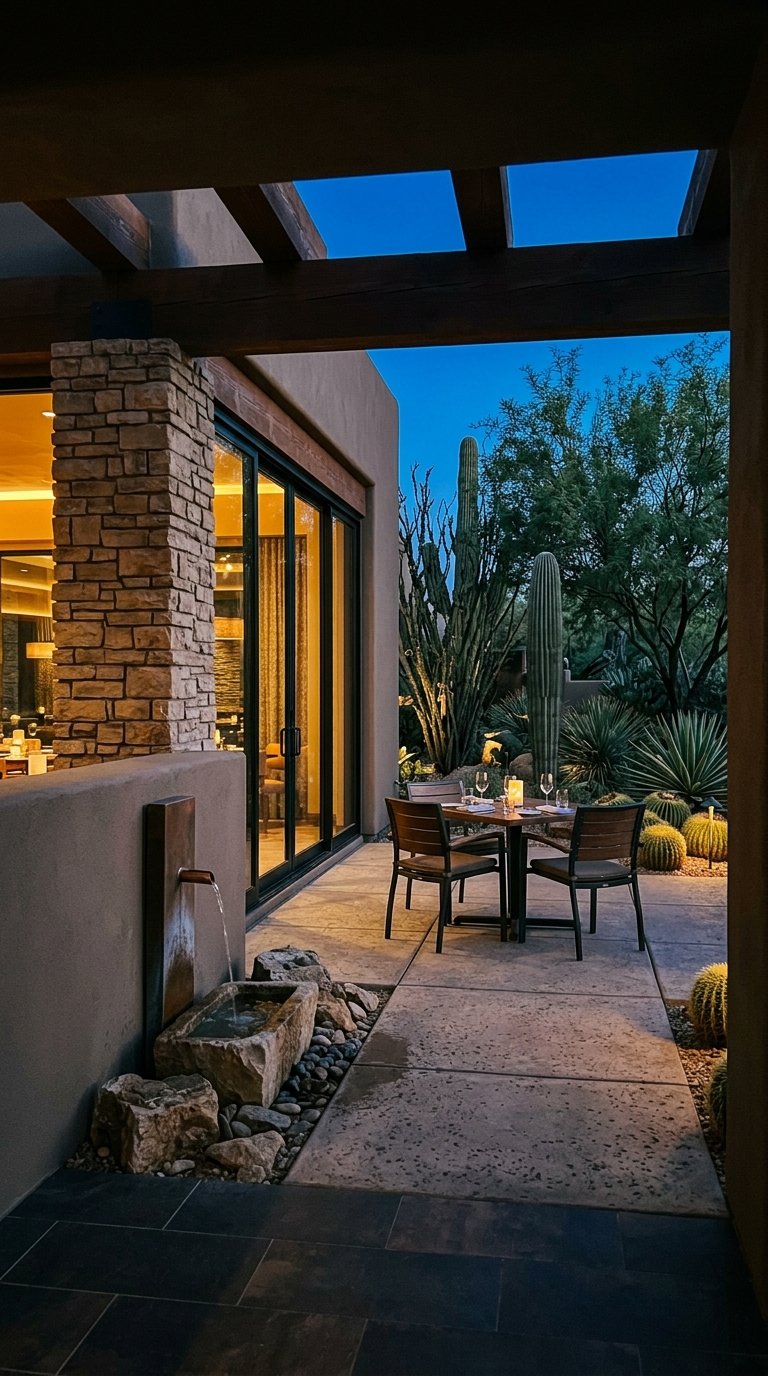
With 314 sunny days a year and average annual rainfall of 7.66 inches, Scottsdale makes outdoor living part of normal life. This is not the kind of place where people wait for perfect weather to get outside. Being outdoors is often built into the day, whether that means a morning walk, a bike ride, or time in a neighborhood park.
Scottsdale’s park and trail system helps make that possible. The city manages more than 1,100 acres of open space, and residents have access to 220 miles of trails in the McDowell Sonoran Preserve plus 150 miles of neighborhood trails. That kind of network gives outdoor routines real staying power.
One of the city’s standout features is the Indian Bend Wash Greenbelt, which runs 11 miles through central Scottsdale. It includes more than 24 grade-separated crossings, which helps create more usable pedestrian and bike connections than many people expect in a desert suburb. For some residents, that means recreation and simple day-to-day movement can overlap in a convenient way.
The climate is a major plus, but it also requires planning. The city notes that extreme heat is expected, especially in warmer months, and advises early-day visits to places like the Preserve along with plenty of water.
That reality shapes local habits. In summer, outdoor time often shifts to the early morning or later evening instead of the middle of the day. If you enjoy an active lifestyle, Scottsdale can support it well, but your schedule may need to adapt to the season.
One of the most useful things to know about Scottsdale is that daily life often revolves around distinct activity clusters. Instead of running all over the city for one meal, one stop, and one errand, many residents organize their day around a few major hubs.
Old Town is the city’s compact urban core. According to the city, it includes more than 90 restaurants, 320 retail shops, and more than 80 art galleries. It is also described as a collection of nine walkable and bikeable districts, with amenities like the Saturday farmers market, arts venues, nightlife, and the Civic Center area.
North Scottsdale offers a different rhythm. Places like Kierland Commons and Scottsdale Quarter combine shopping, dining, and entertainment, while Gainey Village adds another convenient cluster of restaurants and services with parking that can make errands feel simpler. Depending on where you live, your regular routine may naturally center on one of these nodes.
If you want the most urban, walkable day-to-day feel, Old Town stands out. The area includes the Scottsdale Civic Center, which features an outdoor amphitheater, fountains, a lagoon, museums, shops, restaurants, the library, and the Scottsdale Center for the Performing Arts.
That concentration creates a daily rhythm that feels more active and connected than in many suburban settings. You may be able to combine coffee, dining, events, and a stroll through public spaces in one outing. For buyers who want energy and convenience close together, that can be a major draw.
Transportation in Scottsdale is one of the more mixed parts of the local experience. While residents rated parks and recreation highly in the 2025 Community Survey, traffic flow and the overall transportation system received more mixed reviews.
That makes sense when you look at the city’s size and regional role. Scottsdale is both a residential city and a job center, with significant movement in and out each day. The city’s 2025 Housing Needs Assessment says 164,203 of 192,240 jobs in Scottsdale are filled by commuters from outside the city, while 69,364 Scottsdale residents commute out for work.
QuickFacts reports a mean travel time to work of 21.7 minutes for Scottsdale workers based on 2019 to 2023 ACS data. That number gives a helpful baseline, but your own experience may vary a lot depending on whether you live in the north, south, or central part of the city and where your job, school, or regular destinations are located.
Scottsdale does offer public transit tools that can support some routines. The city has three fare-free trolley routes, along with connections to nine regional-fare bus routes. The trolley runs Monday through Friday from 5:45 a.m. to 7:45 p.m. with 20-minute frequencies.
For broader travel across the Valley, regional transit adds more options. The city also provides paratransit services such as CAB Connection and RideChoice for seniors and people with disabilities. If you are comparing neighborhoods, it is worth thinking about how often you want to drive and whether your usual routes line up with Scottsdale’s transit layout.
Scottsdale can feel very different from one part of the city to another. That is one of the biggest reasons buyers should look beyond the name alone and think carefully about what kind of daily rhythm they want.
Old Town offers a more urban pattern, with walkable blocks, events, arts, restaurants, and a stronger sense of central activity. North Scottsdale leans more into shopping, dining, and resort-style convenience. The Greater Airpark area is more job-centered, while areas covered by plans like the Cactus Corridor and Southern Scottsdale point to quieter residential patterns and, in some cases, equestrian or lifestyle-oriented uses.
This area-by-area variety can be a real advantage. It means Scottsdale offers more than one version of everyday life. The key is matching the part of the city to the way you actually want to spend your mornings, workdays, errands, and weekends.
Scottsdale is not just about scenery and convenience. It also has recurring community events that help shape the local feel through the year.
The Civic Center hosts concerts, festivals, free outdoor concerts, and community events through Civic Center LIVE. Canal Convergence adds another distinctive local tradition, bringing a free 10-night public art event to the Scottsdale Waterfront with large-scale artworks, workshops, performances, and family-friendly activities.
Spring training is another familiar part of Scottsdale life. Scottsdale Stadium in Old Town serves as a local gathering point during Cactus League season. Even if you are not attending every event, these recurring activities can add a sense of energy and seasonal rhythm to living in the city.
For many people, Scottsdale life feels sunny, active, and spread out, with routines built around a few favorite districts instead of one central downtown. You may start the day with a trail walk, handle errands in a shopping and dining hub, and meet friends in Old Town or near Civic Center later on.
At the same time, the city’s size matters. A home that looks ideal on paper may feel very different depending on how close it is to your job, favorite trails, restaurants, or regular stops. In a city this large, lifestyle fit often comes down to location inside Scottsdale, not just Scottsdale itself.
If you are trying to decide whether Scottsdale matches the way you want to live, focus on your routine. Think about commute patterns, outdoor habits, preferred activity hubs, and whether you want walkability, quieter surroundings, or easier access to employment centers. That is often where the right answer becomes clear.
If you want help narrowing down which part of Scottsdale best fits your lifestyle, Kristi Newman can help you make a more confident move.
Stay up to date on the latest real estate trends.
Get assistance in determining current property value, crafting a competitive offer, writing and negotiating a contract, and much more. Contact Kristi today to discuss all your real estate needs!