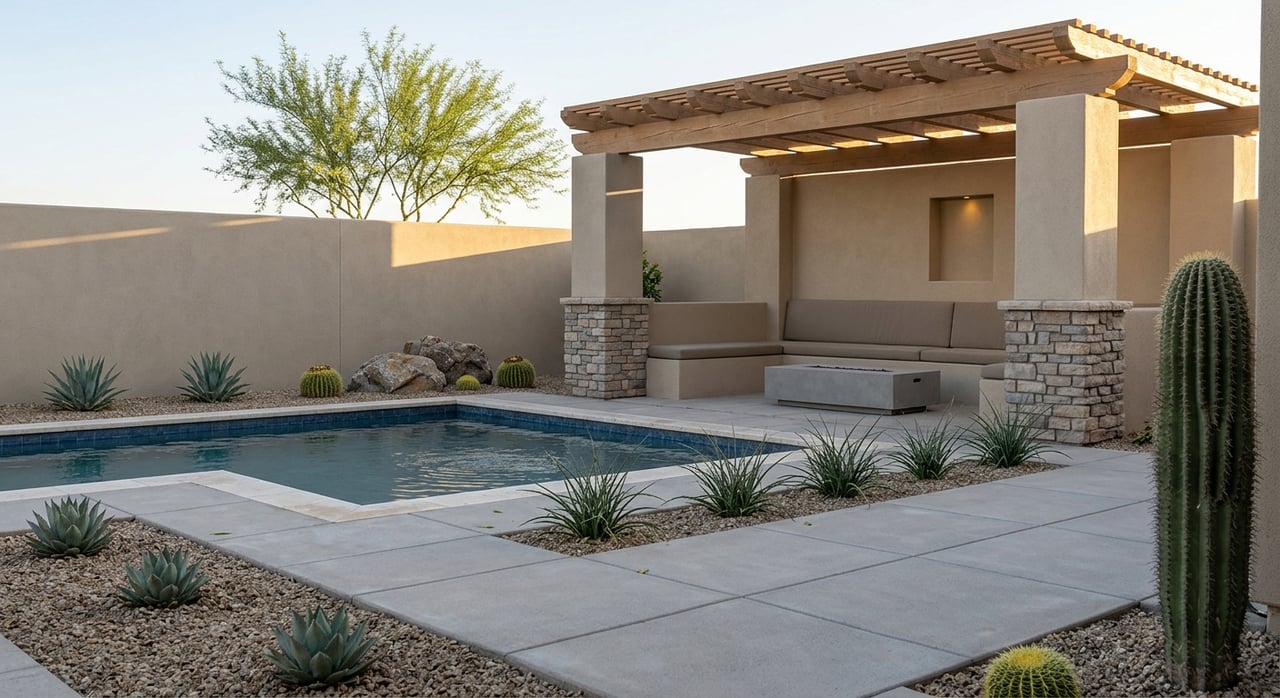
Scottsdale HOA Communities Guide for Home Buyers
June 25, 2026
June 25, 2026
Buying in Scottsdale and wondering whether an HOA is a perk, a problem, or a little of both? You are not alone. HOA communities can offer shared amenities, maintained common areas, and a more structured ownership experience, but they also come with fees, rules, and documents that deserve a close look before you commit. If you are shopping for a home in Scottsdale, understanding how HOA communities work can help you avoid surprises and make a choice that truly fits your budget and lifestyle. Let’s dive in.
In Scottsdale, buying into an HOA community is about more than liking the home itself. You are also stepping into a legal and financial structure that can affect how you use the property, what you pay each month, and what responsibilities come with ownership.
Arizona treats HOA-related ownership structures differently depending on the type of community. That means two homes with similar price points or amenities may come with very different rules, disclosures, and owner rights.
One of the first things to understand is whether the property is in a planned community or a condominium. In Arizona, a planned community is a development where a nonprofit association manages or maintains property, owners are required members, and owners pay assessments.
A condominium is structured differently. You own your individual unit, while common elements are owned jointly by the unit owners. Both planned communities and condominiums use governing documents such as declarations, bylaws, and rules, but the legal framework is not the same.
This difference affects how disclosures are handled, how board meetings operate, and how liens are treated. In simple terms, you should not assume one Scottsdale HOA will work like another just because the homes or amenities seem similar.
The specific documents tied to the address are what matter most. Those recorded documents help define your day-to-day rights, restrictions, voting rights, and financial obligations.
A big question for most buyers is simple: what do the monthly dues actually pay for? In many Scottsdale communities, HOA dues may help cover landscaping, pool maintenance, golf course upkeep, common-area insurance, and security.
Common amenities can include pools, clubhouses, gyms, golf features, and gated entries. What is included will vary by community, so it is important to compare the fee with the services and amenities you are actually receiving.
A 2026 Scottsdale fee dataset estimated average dues at about:
These figures are best used as a rough market reference, not a rule. Actual dues can vary widely depending on the property type, amenity level, building age, and the association's financial condition.
It can be tempting to view a lower HOA fee as a clear win. But a lower monthly payment does not always mean lower overall cost.
If reserves are thin or major repairs are on the horizon, a community may be more likely to face future cost increases or special assessments. That is why it is smart to look beyond the monthly number and ask how well the association is funded.
For many buyers, the most important HOA issue is not the fee. It is the rules.
Arizona consumer guidance warns that CC&Rs may restrict things like landscaping, RV parking, play equipment, and satellite antennas. In practice, this means the home may come with limits on how you use or change exterior areas, even if the property feels like a traditional single-family home.
Before you move forward, ask about rules for:
These details matter because they shape how the property fits your lifestyle. A community may offer a polished look and shared amenities, but that often comes with less flexibility.
An HOA is only one layer of regulation. Scottsdale city code still applies to the property as well.
The city publishes code topics that include parking and loading, sign regulations, landscaping requirements, and vacation-rental or short-term-rental zoning. That means you should review both the HOA documents and the city rules that apply to the home you are considering.
Most HOA communities are governed by a board. Arizona open-meeting laws require both condo and planned-community boards to conduct meetings openly, allow members to attend and speak at the appropriate time, and provide advance notice and agendas.
After declarant control ends, board-meeting notice must generally be given at least 48 hours in advance. For buyers, this is useful because it gives you a window into how the community operates and how transparent its leadership appears to be.
When you are under contract, the resale packet becomes one of the most important parts of your due diligence. Arizona law requires disclosures for planned communities and condominiums, and those materials can tell you a great deal about the association's health and expectations.
A resale packet may include:
This is where you move from assumptions to facts. Marketing materials may highlight the lifestyle, but the documents show you what ownership actually looks like.
Some parts of the packet deserve an even closer look. Reserve information is especially important because it can indicate whether the HOA is prepared for future repairs and replacements.
You should also review current assessments, unpaid charges, and any pending litigation. These items may point to future financial pressure within the community.
Arizona caps HOA resale and lien-estoppel related fees at an aggregate of $400, with a rush fee of up to $100 and a document-update fee of up to $50. The law also states that these fees are collected no earlier than close of escrow and may be charged only once for the transaction, subject to the statute's exceptions.
Knowing this upfront can help you plan closing costs more accurately. It also gives you a better sense of which HOA-related charges are standard and which deserve a follow-up question.
If you are buying a new home in a Scottsdale subdivision or master-planned community, there is another document to pay attention to. The Arizona Department of Real Estate requires a Public Report before the purchase contract is signed.
That report includes information about community and recreation facilities, taxes and assessments, and property-owners-association details. For buyers drawn to new-build amenities and planned neighborhoods, this report can be especially helpful.
If you want to verify the official HOA documents, you can search recorded community documents through the Maricopa County Recorder by HOA name or subdivision name. This can be useful if you want to confirm the recorded CC&Rs rather than rely only on a seller packet or promotional materials.
That extra step can provide peace of mind. When you are making a major purchase, it helps to know the rules you are reading match the ones actually recorded for the community.
If you are comparing HOA communities in Scottsdale, keep your questions practical and specific. A few well-placed questions can reveal a lot.
Consider asking:
An HOA purchase is not just about curb appeal or amenities. It is also about whether the dues, rules, and governance structure match the way you want to live and what you want to spend.
When you take time to review the documents, understand the fee structure, and compare the rules with your real-life needs, you put yourself in a much stronger position to buy with confidence. If you want a steady, informed guide as you weigh Scottsdale HOA communities, Kristi Newman is here to help you make sense of the details and find the right fit.
Stay up to date on the latest real estate trends.






Get assistance in determining current property value, crafting a competitive offer, writing and negotiating a contract, and much more. Contact Kristi today to discuss all your real estate needs!